TAVR / TAVI
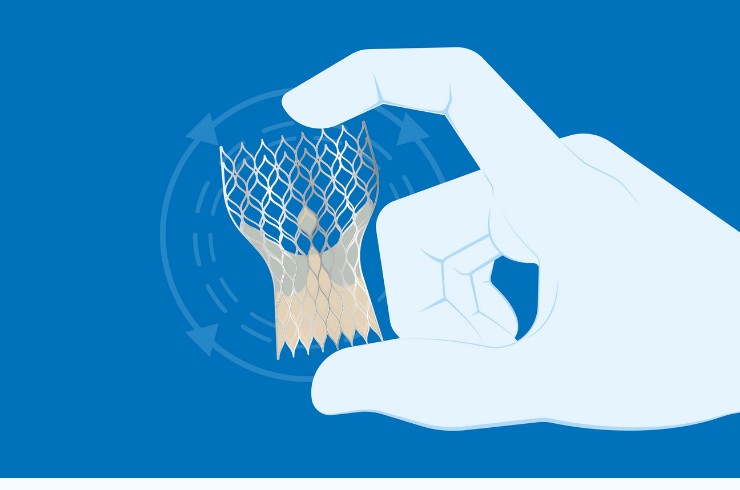
TAVR / TAVI for Aortic Stenosis Treatment in Amravati, Maharashtra
TAVR, also known as Transcatheter Aortic Valve Replacement (TAVI), is a minimally invasive procedure used to replace a diseased aortic valve in selected patients with significant aortic stenosis. It involves delivering a replacement valve through a catheter rather than performing conventional open-heart valve replacement.
For patients seeking TAVR / TAVI evaluation in Amravati, Maharashtra, Dr. Niraj can assess the severity of aortic stenosis, symptoms, imaging findings, overall health and suitability for transcatheter or surgical valve replacement.
What it is
TAVR/TAVI is a catheter-based procedure in which a replacement aortic valve is positioned within the patient’s diseased valve.
The procedure is designed to improve blood flow from the heart into the aorta when the native aortic valve has become significantly narrowed.
TAVR/TAVI may be considered for appropriately selected patients after detailed clinical and anatomical assessment.
Aortic Stenosis
Aortic stenosis occurs when the aortic valve becomes narrowed and does not open normally.
This can restrict blood flow from the heart and increase the workload on the heart muscle.
The severity of aortic stenosis can vary, and treatment decisions depend on factors including:
- Valve narrowing
- Symptoms
- Heart function
- Echocardiographic findings
- Patient age
- Overall health
- Anatomical suitability
- Surgical and procedural risk
Symptoms
Patients with significant aortic stenosis may experience:
- Breathlessness, particularly during activity
- Chest discomfort
- Reduced exercise tolerance
- Fatigue
- Dizziness
- Fainting or near-fainting
- Reduced physical capacity
Some patients may have significant valve disease before symptoms become obvious.
New or worsening symptoms should be evaluated by a qualified cardiac specialist.
Echocardiographic Evaluation
Echocardiography is an important part of assessing aortic stenosis.
It can provide information about:
- Aortic valve structure
- Degree of valve narrowing
- Blood flow across the valve
- Pressure gradients
- Heart chamber size
- Left ventricular function
- Other associated valve abnormalities
The echocardiographic findings help determine the severity of aortic stenosis and whether further assessment is required.
CT Planning
CT imaging may be used as part of TAVR/TAVI planning in appropriately selected patients.
CT assessment can provide detailed information about:
- Aortic valve anatomy
- Aortic root dimensions
- Aortic annulus
- Vascular access anatomy
- Relationship of surrounding structures
- Suitability for transcatheter valve implantation
Detailed anatomical planning is important when determining whether a transcatheter approach is appropriate.
Surgical Risk and Age/Longevity Considerations
The decision between TAVR/TAVI and surgical aortic valve replacement is individualized.
Assessment may consider:
- Age
- Overall health
- Surgical risk
- Life expectancy
- Frailty
- Other medical conditions
- Aortic valve anatomy
- Vascular anatomy
- Expected durability and benefit of treatment
- Patient preferences
These factors should be reviewed carefully before selecting a valve replacement strategy.
TAVR Versus SAVR
TAVR/TAVI and Surgical Aortic Valve Replacement (SAVR) are different approaches to replacing a diseased aortic valve.
TAVR/TAVI uses a catheter-based technique to implant a replacement valve.
SAVR involves surgical removal or replacement of the diseased valve through a surgical approach.
The most appropriate treatment depends on the patient’s age, health, anatomy, surgical risk, expected longevity and other clinical considerations.
Valve Implantation Overview
During TAVR/TAVI, a replacement valve mounted on a specialized delivery system is guided toward the diseased aortic valve.
The replacement valve is positioned within the existing valve and deployed.
The new valve is designed to take over the function of the diseased native valve and improve blood flow from the heart.
The precise approach depends on the patient’s anatomy and the selected procedural strategy.
Potential Benefits
In appropriately selected patients, TAVR/TAVI may:
- Improve blood flow through the aortic valve
- Reduce symptoms caused by severe aortic stenosis
- Improve exercise capacity
- Support improvement in quality of life
- Avoid conventional open-heart valve surgery in suitable patients
The potential benefits vary according to the patient’s condition and treatment suitability.
Potential Risks
TAVR/TAVI is an invasive cardiac procedure and carries potential risks.
These may include:
- Bleeding
- Blood-vessel complications
- Abnormal heart rhythms
- Need for a pacemaker in some patients
- Stroke
- Valve-related complications
- Kidney-related complications
- Infection
- Heart attack
- Rarely, life-threatening complications
The individual risk depends on the patient’s health, anatomy and procedural circumstances.
Recovery
Recovery following TAVR/TAVI can vary between patients.
Factors affecting recovery may include:
- Overall health
- Age
- Existing medical conditions
- Procedural complexity
- Access-site recovery
- Heart function
The treating team will provide individualized instructions regarding activity, medicines, follow-up and recovery.
Follow-Up
Regular follow-up after TAVR/TAVI is important.
Follow-up may include:
- Clinical review
- Assessment of symptoms
- Medication review
- Heart rhythm monitoring where required
- Echocardiographic assessment
- Evaluation of valve function
- Monitoring for potential complications
The follow-up schedule should be determined according to the patient’s individual treatment and clinical condition.
Patient Selection
Not every patient with aortic stenosis is suitable for TAVR/TAVI.
Patient selection may involve assessment of:
- Severity of aortic stenosis
- Symptoms
- Echocardiographic findings
- CT anatomy
- Age
- Life expectancy
- Frailty
- Surgical risk
- Other medical conditions
- Vascular access
- Valve anatomy
- Patient preferences
A multidisciplinary evaluation may be appropriate for complex valve-replacement decisions.
Causes
Aortic stenosis can develop due to different processes affecting the aortic valve.
Possible causes include:
- Degenerative changes
- Calcium accumulation
- Congenital valve abnormalities
- Other structural valve conditions
The underlying cause and severity should be established through appropriate cardiac evaluation.
Risk Factors
Factors associated with aortic valve disease may include:
- Increasing age
- Cardiovascular disease
- High blood pressure
- Diabetes
- High cholesterol
- Smoking
- Congenital bicuspid aortic valve
- Other cardiovascular conditions
Individual risk varies depending on the underlying valve condition.
Red-Flag Symptoms
Seek immediate emergency medical attention if you develop:
- Severe or sudden breathlessness
- Severe chest pain
- Fainting
- Repeated near-fainting episodes
- Sudden severe weakness
- Rapid worsening of symptoms
These symptoms can indicate serious cardiovascular complications.
Diagnosis
Evaluation of suspected aortic stenosis may include:
- Medical history
- Physical examination
- ECG
- Echocardiography
- Advanced echocardiographic assessment
- CT imaging where appropriate
- Other cardiac investigations
- Specialist valve assessment
The diagnostic approach depends on the patient’s symptoms and clinical findings.
When Intervention May Be Required
Valve replacement may be considered when aortic stenosis is severe and clinically significant.
Factors that may support intervention include:
- Severe aortic stenosis
- Symptoms attributable to valve disease
- Reduced heart function
- Evidence of significant valve obstruction
- Other clinical findings indicating a need for valve replacement
The choice between TAVR/TAVI and SAVR requires individualized assessment.
Treatment Alternatives
Depending on the severity and circumstances, treatment options may include:
- Regular monitoring
- Medical management of associated cardiovascular conditions
- TAVR/TAVI
- Surgical aortic valve replacement
- Multidisciplinary Heart Team assessment
Medical treatment does not directly open a severely narrowed aortic valve, so appropriate patients may require valve replacement.
Related Procedures
Related procedures and assessments include:
- Structural Heart Programme
- Advanced Echocardiography
- CT Cardiac Planning
- Surgical Aortic Valve Replacement (SAVR)
- Mitral Valve Interventions
- Tricuspid Interventions
- Coronary Angiography
- Intravascular Imaging
FAQs
What is TAVR or TAVI?
TAVR and TAVI refer to transcatheter aortic valve replacement or implantation, a catheter-based procedure used to replace a diseased aortic valve in selected patients.
What is aortic stenosis?
Aortic stenosis is narrowing of the aortic valve that can restrict blood flow from the heart into the aorta.
What symptoms can severe aortic stenosis cause?
Common symptoms can include breathlessness, chest discomfort, fatigue, dizziness, fainting and reduced exercise tolerance.
Why is echocardiography important before TAVR?
Echocardiography helps assess the aortic valve, blood flow across it, heart function and the severity of aortic stenosis.
Why is CT used for TAVR planning?
CT can provide detailed anatomical information about the aortic valve, aortic annulus and blood vessels used for catheter access.
Is TAVR better than surgical valve replacement?
Neither approach is universally better. The appropriate treatment depends on factors such as age, surgical risk, anatomy, longevity, overall health and patient preferences.
Can younger patients undergo TAVR?
TAVR may be appropriate for selected patients, but age, expected longevity, valve durability, anatomy and other clinical factors need to be carefully considered.
How long does recovery after TAVR take?
Recovery varies between patients depending on age, health, procedural complexity and other medical factors. The treating team provides individualized recovery guidance.
Will I need follow-up after TAVR?
Yes. Regular clinical and cardiac imaging follow-up is important to monitor symptoms and valve function.
When should I consult Dr. Niraj in Amravati?
Patients diagnosed with significant aortic stenosis or those being evaluated for TAVR/TAVI or surgical valve replacement can consult Dr. Niraj for specialist assessment and treatment planning.
Book an Appointment with Dr. Niraj for TAVR / TAVI Evaluation in Amravati
If you have been diagnosed with aortic stenosis or advised to consider valve replacement, Dr. Niraj can review your symptoms, echocardiography, CT findings and overall health to help determine an appropriate treatment pathway.