Peripheral Vascular Intervention
Peripheral Vascular Intervention for Arterial Disease in Amravati, Maharashtra
Peripheral vascular interventions are minimally invasive procedures used to evaluate and treat selected conditions affecting the arteries outside the heart, particularly the blood vessels supplying the arms and legs. Dr. Niraj can assess peripheral arterial disease, evaluate blood flow and determine whether angiography, angioplasty, intervention or conservative management may be appropriate.
What it is
Peripheral vascular intervention involves catheter-based techniques used to diagnose or treat narrowing or blockage in peripheral arteries.
The treatment approach depends on:
- Location of the arterial disease
- Severity of narrowing or blockage
- Symptoms
- Limb circulation
- Overall health
- Risk factors
- Anatomical suitability for intervention
Peripheral Artery Disease
Peripheral Artery Disease (PAD) occurs when arteries supplying the limbs become narrowed or blocked, reducing blood flow.
It commonly affects the lower limbs and can cause pain, reduced walking capacity and, in advanced cases, problems with wound healing or limb circulation.
Limb Ischaemia
Limb ischaemia occurs when blood supply to an arm or leg becomes insufficient for the tissue’s needs.
The severity can vary considerably.
Symptoms may include:
- Pain while walking
- Pain at rest in advanced disease
- Coldness of the affected limb
- Numbness
- Weakness
- Skin colour changes
- Slow-healing wounds
Severe or sudden loss of blood flow can represent an emergency requiring immediate assessment.
Peripheral Angiography
Peripheral angiography is an imaging procedure used to assess blood vessels and identify areas of narrowing or blockage.
A catheter is used to deliver contrast material into the blood vessels, allowing the arterial circulation to be visualized.
It can help determine:
- Location of arterial disease
- Extent of narrowing
- Complete blockages
- Blood flow beyond a blockage
- Potential treatment options
Peripheral Angioplasty
Peripheral angioplasty is a catheter-based treatment used to widen a narrowed peripheral artery.
A balloon may be positioned across the narrowed segment and inflated to improve the diameter of the blood vessel.
In selected cases, additional treatment such as stent placement may be considered depending on the artery, lesion characteristics and procedural findings.
Subclavian Artery Intervention
The subclavian arteries supply blood to the arms and contribute to circulation involving the upper body.
Significant narrowing may cause symptoms such as reduced blood flow to an arm or differences in blood pressure between the arms.
Selected patients may be considered for catheter-based intervention following appropriate vascular assessment.
Iliac Intervention
The iliac arteries are major blood vessels supplying the lower limbs.
Significant iliac artery narrowing or blockage can reduce blood flow to the legs and may contribute to walking-related symptoms or more severe limb ischaemia.
Catheter-based intervention may be considered in appropriately selected patients.
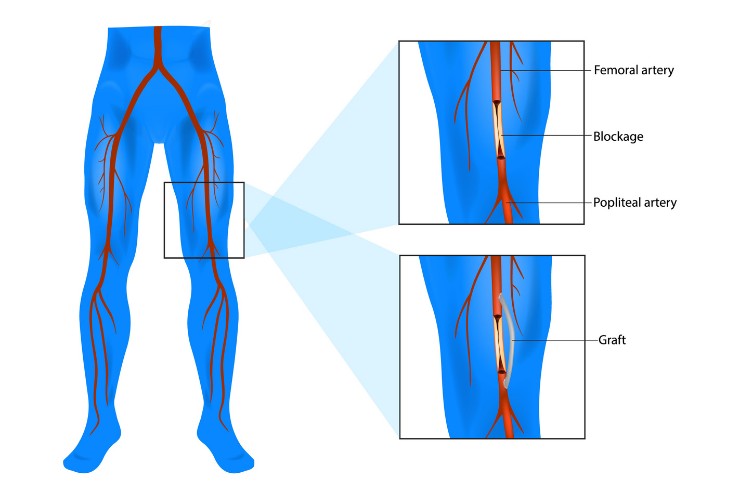
Femoral / Popliteal Intervention
The femoral and popliteal arteries are important blood vessels supplying the lower limb.
Disease affecting these arteries may cause:
- Leg pain during walking
- Reduced walking distance
- Limb ischaemia
- Poor wound healing
- Other circulation-related symptoms
Peripheral angioplasty or other arterial interventions may be considered depending on the severity and anatomy of the disease.
Other Arterial Interventions Actually Offered
Other peripheral arterial procedures should only be listed as available if they are actually offered by Dr. Niraj or through a defined referral, collaboration or special arrangement.
This distinction is important because availability of specific peripheral vascular technologies, equipment and procedures can vary between treatment settings.
The website should clearly distinguish between procedures that are:
- Directly offered
- Available through collaboration
- Available through referral
- Available through special arrangement
- Not currently offered
Diagnosis
Evaluation of peripheral arterial disease may include:
- Medical history
- Physical examination
- Pulse examination
- Blood-pressure assessment
- Vascular imaging
- Peripheral angiography where appropriate
- Other vascular investigations based on the suspected condition
The appropriate diagnostic approach depends on symptoms, severity and the affected blood vessel.
Risk Factors
Risk factors for peripheral artery disease may include:
- Smoking
- Diabetes
- High blood pressure
- High cholesterol
- Increasing age
- Obesity
- Cardiovascular disease
- Reduced physical activity
- Previous vascular disease
Managing these risk factors is an important part of long-term vascular care.
Risk-Factor Modification and Follow-Up
Treatment does not end after an intervention.
Long-term management may include:
- Smoking cessation
- Cholesterol management
- Blood-pressure control
- Diabetes management
- Healthy diet
- Appropriate physical activity
- Weight management
- Prescribed medications
- Regular vascular follow-up
Follow-up helps monitor symptoms, circulation and cardiovascular risk over time.
When Intervention May Be Required
Peripheral intervention may be considered when arterial disease is clinically significant and symptoms or circulation problems warrant revascularization.
This may include selected patients with:
- Significant lifestyle-limiting symptoms
- Persistent symptoms despite appropriate medical management
- Significant limb ischaemia
- Threatened limb circulation
- Arterial blockages suitable for catheter-based treatment
The urgency and treatment approach depend on the severity and clinical presentation.
Medical Treatment
Medical management is an important part of peripheral artery disease care.
Depending on individual needs, treatment may include:
- Cholesterol-lowering therapy
- Antiplatelet treatment where clinically indicated
- Blood-pressure management
- Diabetes management
- Smoking cessation
- Exercise and walking programmes where appropriate
- Weight management
- Treatment of other cardiovascular risk factors
Intervention does not replace long-term risk-factor management.
Treatment Alternatives
Depending on the condition and severity, treatment options may include:
- Lifestyle modification
- Medical management
- Structured exercise
- Peripheral angioplasty
- Stent-based treatment where appropriate
- Other peripheral vascular interventions
- Surgical revascularization in selected cases
- Referral to an appropriate vascular or specialist centre
Red-Flag Symptoms
Sudden or severe limb symptoms require urgent medical assessment.
Seek immediate medical attention if a limb suddenly becomes:
- Very painful
- Cold
- Pale or blue
- Numb
- Weak
- Difficult or impossible to move
These symptoms may indicate acute loss of blood flow and require emergency evaluation.
Related Procedures
Related cardiovascular procedures include:
- Peripheral Angiography
- Peripheral Angioplasty
- Iliac Intervention
- Femoral / Popliteal Intervention
- Subclavian Artery Intervention
- Coronary Angiography
- Coronary Angioplasty
- Intravascular Imaging
- Complex PCI
FAQs
What is peripheral vascular intervention?
Peripheral vascular intervention refers to catheter-based procedures used to diagnose or treat selected narrowing or blockages in arteries outside the heart.
What is peripheral artery disease?
Peripheral artery disease is narrowing or blockage of arteries supplying the limbs, which can reduce blood flow and cause symptoms such as leg pain while walking.
What is peripheral angiography?
Peripheral angiography is an imaging procedure that uses contrast and X-rays to visualize arteries and identify areas of narrowing or blockage.
What is peripheral angioplasty?
Peripheral angioplasty uses a catheter and usually a balloon to widen a narrowed peripheral artery and improve blood flow.
Which arteries can be treated with peripheral intervention?
Depending on the clinical setting and anatomy, interventions may involve arteries such as the subclavian, iliac, femoral and popliteal arteries.
Does every patient with peripheral artery disease need angioplasty?
No. Many patients can initially be managed with medical treatment, lifestyle modification and risk-factor management. Intervention is considered when clinically appropriate.
What are the symptoms of limb ischaemia?
Symptoms can include pain, coldness, numbness, weakness and changes in skin colour. Sudden severe symptoms require urgent medical assessment.
Why is risk-factor management important after peripheral intervention?
Peripheral artery disease is associated with cardiovascular risk. Managing smoking, cholesterol, blood pressure, diabetes and other risk factors supports long-term vascular health.
When should I consult Dr. Niraj in Amravati?
Patients with suspected peripheral artery disease, persistent leg pain while walking, limb circulation problems or diagnosed arterial blockages can consult Dr. Niraj for evaluation and treatment planning.
Book an Appointment with Dr. Niraj for Peripheral Vascular Intervention in Amravati
If you have been diagnosed with peripheral artery disease, arterial narrowing or limb circulation problems, Dr. Niraj can evaluate your symptoms and available vascular investigations to determine whether medical management, angioplasty, intervention or further specialist assessment may be appropriate.