Cardiogenic Shock & High-Risk PCI
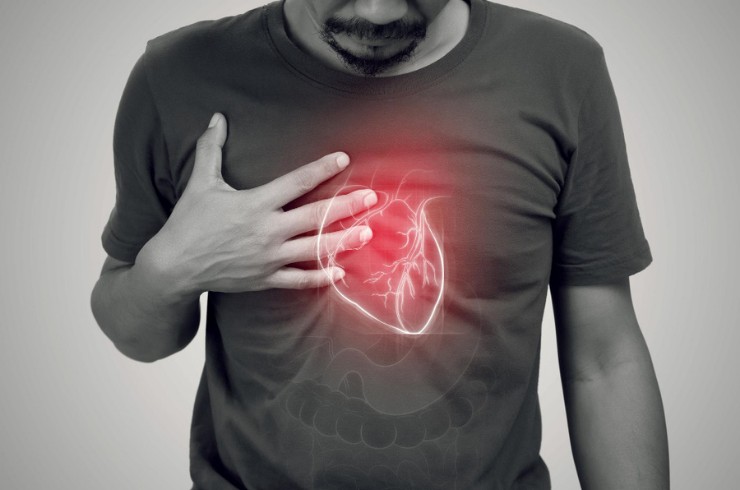
Cardiogenic Shock & High-Risk PCI Treatment and Advanced Cardiac Care in Amravati, Maharashtra
Cardiogenic shock is a life-threatening condition in which the heart is unable to pump enough blood to meet the body’s needs. It can occur following an acute myocardial infarction (heart attack) or in patients with severe left ventricular (LV) dysfunction and advanced cardiovascular disease.
High-risk PCI refers to complex coronary intervention performed in patients who may have significant clinical or anatomical risk. These patients require careful assessment, close haemodynamic monitoring and coordinated critical-care management.
For patients requiring cardiogenic shock management and high-risk PCI in Amravati, Maharashtra, Dr. Niraj provides specialized cardiovascular assessment, treatment planning and interventional care, with the availability of advanced technologies determined according to the clinical situation and local resources.
What it is
Cardiogenic shock occurs when the heart’s pumping ability becomes severely impaired, resulting in inadequate blood flow to vital organs.
High-risk PCI refers to coronary intervention in patients where the procedure carries increased clinical or anatomical risk. This may include patients with severe LV dysfunction, extensive coronary disease, complex coronary anatomy or significant haemodynamic instability.
The clinical spectrum covered here includes:
- Cardiogenic shock
- Acute myocardial infarction
- Severe LV dysfunction
- High-risk PCI
- Haemodynamic monitoring
- Vasopressors/inotropes as part of critical-care management
- Mechanical circulatory support
- IABP
- Impella where available
- LV mechanical support / LVAD pathway where applicable
Causes
Cardiogenic shock can result from conditions that severely reduce the heart’s ability to pump blood.
Potential causes include:
- Acute myocardial infarction
- Severe coronary artery disease
- Severe LV dysfunction
- Major complications following a heart attack
- Severe structural or valvular heart disease
- Serious cardiac rhythm disturbances
- Advanced heart failure
- Other conditions causing profound cardiac pump failure
The underlying cause needs to be identified quickly because treatment depends on the clinical situation.
Risk factors
The risk of cardiogenic shock or high-risk cardiac intervention may be increased by:
- Previous heart attack
- Extensive coronary artery disease
- Multivessel coronary disease
- Severe LV dysfunction
- Advanced heart failure
- Diabetes
- High blood pressure
- Kidney disease
- Older age
- Previous cardiac procedures
- Complex coronary anatomy
Patients with significant cardiovascular disease may require more detailed assessment before undergoing complex PCI.
Symptoms
Cardiogenic shock is a medical emergency. Symptoms can include:
- Severe breathlessness
- Chest pain or pressure
- Rapid heartbeat
- Very low blood pressure
- Extreme weakness
- Confusion or altered consciousness
- Cold or clammy skin
- Reduced urine output
- Dizziness or fainting
- Severe fatigue
Symptoms may occur suddenly, particularly when cardiogenic shock follows an acute myocardial infarction.
Red-flag symptoms
Immediate emergency medical attention is required for symptoms such as:
- Severe or persistent chest pain
- Sudden severe breathlessness
- Fainting or loss of consciousness
- Severe weakness or confusion
- Cold, clammy skin associated with chest symptoms
- Very low blood pressure
- Rapid deterioration after a suspected heart attack
- New severe breathlessness in a patient with known severe heart failure
Cardiogenic shock can progress rapidly and requires urgent hospital-based management.
Diagnosis
Diagnosis involves rapid clinical assessment and evaluation of the heart’s pumping function and circulation.
Depending on the situation, assessment may include:
- Blood pressure and clinical examination
- ECG
- Cardiac biomarkers
- Echocardiography
- Assessment of LV function
- Blood oxygen and metabolic measurements
- Haemodynamic monitoring
- Coronary angiography
- Assessment of coronary anatomy
- Additional cardiac imaging when appropriate
The investigations selected depend on the patient’s stability, suspected cause and urgency of treatment.
When coronary angiography may be required
Coronary angiography may be urgently required when cardiogenic shock is associated with an acute myocardial infarction or when significant coronary artery disease is suspected as the underlying cause.
It may help:
- Identify the location and severity of coronary blockages
- Determine whether urgent revascularization is appropriate
- Guide PCI
- Assess complex coronary anatomy
- Support treatment decisions in high-risk patients
The decision is based on the patient’s clinical condition and the suspected cause of shock.
Medical treatment
Cardiogenic shock requires intensive medical management and close monitoring.
Treatment may include:
- Oxygen and respiratory support when required
- Treatment of the underlying cause
- Antiplatelet and anticoagulant therapy when clinically indicated
- Vasopressors/inotropes as part of critical-care management
- Management of fluid balance
- Treatment of abnormal heart rhythms
- Haemodynamic monitoring
- Urgent coronary revascularization when appropriate
- Intensive care support
Vasopressors and inotropes may be used as part of critical-care management when blood pressure or cardiac output requires pharmacological support.
The specific medicines and treatment strategy depend on the patient’s condition and response to therapy.
When intervention may be required
Intervention may be required when significant coronary artery disease is responsible for myocardial ischemia, acute myocardial infarction or clinical deterioration.
High-risk PCI may be considered when coronary revascularization is required in patients with increased procedural or clinical risk.
The decision depends on:
- Coronary anatomy
- Number and severity of blockages
- LV function
- Clinical stability
- Extent of myocardial damage
- Overall procedural risk
- Availability of appropriate support
In selected patients, mechanical circulatory support may be considered as part of the overall management strategy.
Treatment alternatives
Depending on the patient’s condition, treatment strategies may include:
- Medical and critical-care management
- Urgent PCI
- Coronary artery bypass grafting (CABG) when appropriate
- Mechanical circulatory support
- Advanced heart-failure management
- Referral to a higher-level cardiac centre when required
The appropriate approach depends on the underlying disease, clinical stability, coronary anatomy and available resources.
Mechanical circulatory support
Mechanical circulatory support refers to technologies that can assist the heart in maintaining adequate blood flow when conventional treatment is insufficient.
Potential technologies may include:
- IABP
- Impella where available
- LV mechanical support
- LVAD pathway where applicable
Important availability information
The availability of specific mechanical circulatory support technologies must be confirmed for the treating centre and individual patient.
IABP, Impella, LV mechanical support or an LVAD pathway should not be represented as physically available on-site unless their availability has been specifically verified.
Where a particular technology is not available locally, it may be accessed through referral, collaboration or special arrangement with an appropriate cardiac centre, depending on the patient’s clinical needs.
This distinction is important when communicating advanced cardiac-care capabilities to patients.
Related procedures
Related procedures and clinical interventions may include:
- Coronary Angiography
- High-Risk PCI
- Complex PCI
- CTO Angioplasty
- Left Main & Bifurcation PCI
- Intravascular Imaging
- Coronary Physiology
- Mechanical Circulatory Support
- IABP
- LV Mechanical Support
- LVAD pathway where applicable
- Coronary Artery Bypass Grafting (CABG)
FAQs
What is cardiogenic shock?
Cardiogenic shock is a severe condition in which the heart cannot pump enough blood to meet the body’s needs, potentially causing inadequate blood flow to vital organs.
What commonly causes cardiogenic shock?
A severe heart attack is a major cause. Cardiogenic shock can also occur with severe LV dysfunction, advanced heart failure and other serious cardiac conditions.
What is high-risk PCI?
High-risk PCI is coronary intervention performed in patients whose clinical condition, heart function or coronary anatomy makes the procedure more complex or higher risk.
What is severe LV dysfunction?
Severe LV dysfunction means the left ventricle has significantly reduced pumping ability. It can occur because of coronary artery disease, previous heart attacks, cardiomyopathy and other cardiac conditions.
What are vasopressors and inotropes?
Vasopressors and inotropes are medicines that may be used in critical-care settings to support blood pressure and/or cardiac function when circulation is inadequate.
What is IABP?
IABP, or intra-aortic balloon pump, is a form of mechanical circulatory support designed to assist circulation in selected critically ill cardiac patients.
Is Impella available for every patient?
No. Suitability depends on the patient’s clinical condition, anatomy and treatment requirements. Availability also depends on the treating centre and should be confirmed before describing it as an on-site service.
Is mechanical circulatory support available in Amravati?
The availability of individual mechanical circulatory support devices should be confirmed on a case-by-case basis. Where a specific technology is not available locally, treatment may involve referral, collaboration or special arrangement with an appropriate cardiac centre.
When should I seek emergency care?
Severe chest pain, sudden breathlessness, fainting, confusion, severe weakness or rapid deterioration following a suspected heart attack requires immediate emergency medical attention.
Book an Appointment with Dr. Niraj for High-Risk Cardiac Care in Amravati
Patients with complex coronary disease, severe LV dysfunction, previous heart attack or concerns regarding high-risk PCI can consult Dr. Niraj for detailed cardiovascular assessment and individualized treatment planning.