Rotablation
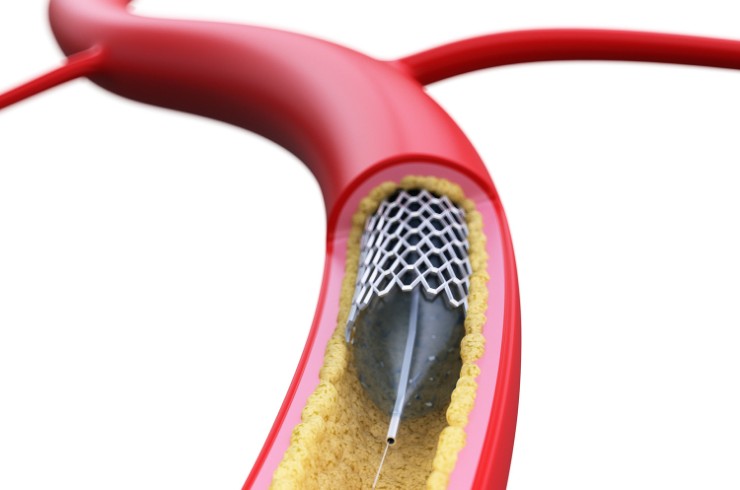
Rotablation for Calcified Coronary Lesions and Advanced PCI in Amravati, Maharashtra
Rotablation, also known as rotational atherectomy, is an advanced coronary intervention technique used to modify heavily calcified coronary lesions that may be difficult to treat with conventional balloon angioplasty and stent placement.
For patients seeking rotablation treatment in Amravati, Maharashtra, Dr. Niraj evaluates the coronary anatomy, severity of calcification, symptoms, heart function and overall procedural risk to determine whether rotational atherectomy may be appropriate.
What Rotational Atherectomy Is
Rotational atherectomy uses a specialized rotating device to modify heavily calcified plaque within a coronary artery.
The technique is designed to improve the ability to:
- Cross difficult calcified lesions
- Prepare the coronary artery for stent placement
- Facilitate balloon expansion
- Improve the possibility of appropriate stent deployment
Rotablation is generally considered part of a broader PCI strategy rather than a standalone treatment.
Why It Is Used
Severe coronary calcium can make a vessel rigid and difficult to treat with conventional balloons.
Rotational atherectomy may be considered when calcification creates challenges such as:
- Difficulty crossing the lesion
- Difficulty delivering equipment
- Inadequate balloon expansion
- Risk of incomplete stent expansion
- Complex coronary anatomy requiring specialized lesion preparation
The technique is selected according to the characteristics of the individual coronary lesion.
Calcified Coronary Lesions
Coronary calcification develops as part of the atherosclerotic process and can occur in patients with long-standing coronary artery disease.
Heavily calcified lesions may reduce vessel flexibility and make PCI technically more challenging.
Assessment may involve:
- Coronary angiography
- Intravascular ultrasound (IVUS)
- Other intravascular imaging where appropriate
- Clinical and functional assessment
The findings help determine whether specialized calcium-modification techniques such as rotablation may be useful.
Patient Selection
Not every patient with coronary calcium requires rotational atherectomy.
Dr. Niraj may consider factors including:
- Severity of coronary calcification
- Location of the lesion
- Lesion length
- Vessel size
- Symptoms
- Evidence of ischaemia
- Overall coronary anatomy
- Heart function
- Suitability for PCI
- Potential procedural risks
- Availability of alternative treatment strategies
The decision is individualized after detailed assessment.
Procedure Overview
Rotablation is performed as part of a catheter-based coronary intervention.
A typical procedure involves:
- Vascular access is obtained.
- A catheter is guided toward the coronary artery.
- The target lesion is assessed.
- A specialized rotational atherectomy device is advanced to the calcified segment.
- The device is used to modify the calcified plaque.
- The lesion is further prepared as required.
- Balloon angioplasty may be performed.
- A coronary stent may be implanted when appropriate.
- The final result is assessed using angiography and, where appropriate, intravascular imaging.
The exact technique and sequence depend on the patient’s coronary anatomy and procedural requirements.
Potential Benefits
In appropriately selected patients, rotablation may help:
- Modify heavily calcified plaque
- Facilitate balloon expansion
- Improve stent deliverability
- Support more complete stent expansion
- Enable treatment of lesions that may otherwise be difficult to cross or prepare
The potential benefit depends on the severity and characteristics of the coronary lesion.
Limitations
Rotablation is an advanced technique and does not make every calcified coronary lesion suitable for PCI.
Limitations may include:
- Technical complexity
- Need for specialized equipment and expertise
- Longer or more complex procedures in selected cases
- Contrast exposure
- Radiation exposure
- Potential need for additional lesion-modification techniques
- Possibility that PCI may not be the most appropriate treatment
In some patients, medical therapy or CABG may be considered instead.
Potential Risks
As with other invasive coronary procedures, rotational atherectomy carries potential risks.
These may include:
- Bleeding or bruising at the access site
- Blood-vessel injury
- Coronary artery complications
- Abnormal heart rhythms
- Slow or reduced blood flow
- Coronary perforation
- Kidney-related complications associated with contrast
- Heart attack
- Other procedural complications
The individual risk depends on the patient’s health, coronary anatomy and complexity of the procedure.
How Intravascular Imaging Helps Optimise Results
Intravascular imaging, including IVUS where appropriate, can provide detailed information from inside the coronary artery.
It may help the interventional team assess:
- Vessel dimensions
- Calcium distribution
- Plaque characteristics
- Lesion morphology
- Stent sizing
- Stent expansion
- Stent apposition
- Final treatment result
In complex calcified lesions, imaging can provide information that may not be fully apparent from angiography alone and can support more precise PCI planning and optimisation.
Medical Treatment
Medical management remains important for patients with coronary artery disease, whether or not rotablation is performed.
Depending on individual needs, treatment may include:
- Cholesterol-lowering medication
- Antiplatelet medication when clinically indicated
- Anti-anginal medication
- Blood-pressure control
- Diabetes management
- Smoking cessation
- Weight management
- Heart-healthy dietary changes
- Appropriate physical activity
- Cardiac rehabilitation where suitable
When Intervention May Be Required
PCI with specialized lesion preparation may be considered when a calcified coronary lesion is clinically significant and revascularization is appropriate.
Factors that may support intervention include:
- Significant coronary narrowing
- Persistent symptoms
- Evidence of ischaemia
- Difficult or heavily calcified anatomy
- Inadequate response to medical treatment
- Need for coronary revascularization
Rotablation is used selectively when the lesion characteristics make conventional PCI techniques insufficient or less suitable.
Treatment Alternatives
Depending on the patient’s condition and coronary anatomy, alternatives may include:
- Optimal medical therapy
- Balloon-based lesion preparation
- Intravascular lithotripsy
- Cutting or scoring balloons where applicable
- Other PCI strategies
- Coronary artery bypass grafting (CABG)
- Heart Team assessment for complex coronary disease
The appropriate approach depends on individual anatomy, clinical condition and expected treatment benefit.
Related Procedures
Related procedures include:
- Coronary Angiography
- Complex PCI
- Calcified Lesion PCI
- Intravascular Lithotripsy (IVL)
- Intravascular Imaging
- IVUS-Guided PCI
- Left Main PCI
- Bifurcation PCI
- CTO Angioplasty
- Multivessel PCI
- Coronary Artery Bypass Grafting (CABG)
FAQs
What is rotablation?
Rotablation, or rotational atherectomy, is a catheter-based technique used to modify heavily calcified coronary plaque and facilitate treatment of selected complex coronary lesions.
Why is rotablation used during PCI?
It may be used when severe coronary calcium makes balloon expansion, lesion preparation or stent delivery difficult.
Does rotablation remove all the calcium from a coronary artery?
The purpose is to modify the calcified lesion sufficiently to facilitate treatment rather than completely remove all coronary calcium.
Does every calcified coronary blockage need rotablation?
No. Many calcified lesions can be treated using other approaches. The technique is selected according to the severity and characteristics of the calcium and overall coronary anatomy.
What is the role of IVUS during rotablation?
IVUS can help assess vessel size, calcium distribution, lesion characteristics and the final stent result, supporting procedural planning and optimisation.
Can rotablation be combined with other techniques?
Yes. Selected complex lesions may require combinations of lesion-preparation techniques depending on their anatomy and response to treatment.
Is rotablation the same as angioplasty?
No. Rotablation is a specialized plaque-modification technique that may be used as part of PCI. Balloon angioplasty and stent placement may subsequently be performed when appropriate.
Is rotablation suitable for patients with severe coronary calcium?
It may be appropriate for selected patients with heavily calcified coronary lesions after careful assessment of coronary anatomy and procedural risk.
What are the risks of rotablation?
Potential risks include bleeding, coronary complications, abnormal heart rhythms, reduced blood flow, coronary perforation, kidney-related complications and other procedural complications.
When should I consult Dr. Niraj in Amravati?
Patients diagnosed with heavily calcified coronary disease or those advised that a coronary blockage may be difficult to treat with conventional PCI can consult Dr. Niraj for specialist assessment and treatment planning.
Book an Appointment with Dr. Niraj for Rotablation Evaluation in Amravati
If you have been diagnosed with a heavily calcified coronary blockage or have been advised to consider advanced lesion preparation before angioplasty, Dr. Niraj can assess your coronary anatomy and determine whether rotablation or another treatment approach may be appropriate.