Tricuspid Interventions
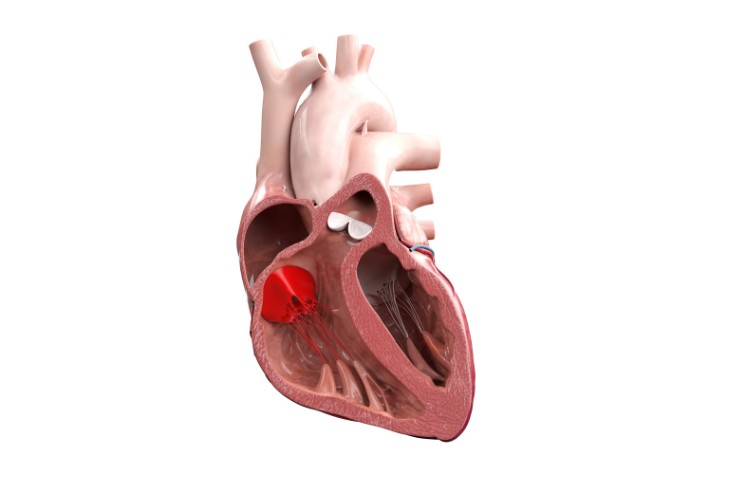
Tricuspid Interventions for Advanced Valve Care in Amravati, Maharashtra
Tricuspid interventions are treatments used to manage significant disease affecting the tricuspid valve, particularly tricuspid regurgitation. Depending on the severity of the condition, symptoms, valve anatomy, heart function and overall health, treatment may involve medical management, surgery or selected transcatheter approaches.
For patients seeking tricuspid valve evaluation and treatment in Amravati, Maharashtra, Dr. Niraj can assess symptoms, cardiac imaging and overall condition to determine an appropriate treatment pathway.
What it is
The tricuspid valve controls blood flow between the right atrium and right ventricle.
When the valve does not close properly, blood can flow backward into the right atrium. This is known as tricuspid regurgitation.
Treatment depends on the underlying cause, severity of valve disease and its effect on the heart and other organs.
Tricuspid Regurgitation
Tricuspid regurgitation occurs when the tricuspid valve does not close completely.
Significant regurgitation can increase the volume of blood handled by the right side of the heart and may eventually contribute to symptoms and right-sided heart failure.
Assessment may include evaluation of:
- Severity of regurgitation
- Right ventricular function
- Right atrial size
- Pulmonary pressures
- Associated valve disease
- Symptoms
- Underlying causes
Symptoms
Patients with significant tricuspid valve disease may experience:
- Breathlessness
- Fatigue
- Reduced exercise tolerance
- Swelling of the legs and ankles
- Abdominal swelling
- Abdominal discomfort
- Weight gain due to fluid retention
- Palpitations
Symptoms can develop gradually and may initially be mistaken for other conditions.
Causes
Tricuspid regurgitation can develop because of several conditions, including:
- Enlargement of the right heart chambers
- Pulmonary hypertension
- Left-sided heart disease
- Heart failure
- Atrial fibrillation
- Congenital heart abnormalities
- Previous valve procedures
- Infection affecting the valve
- Structural abnormalities of the tricuspid valve
The underlying cause should be identified before deciding on treatment.
Diagnosis
Assessment of tricuspid valve disease may include:
- Medical history
- Physical examination
- ECG
- Echocardiography
- Advanced echocardiographic assessment
- Assessment of right ventricular function
- Evaluation of pulmonary pressures
- Other cardiac imaging where clinically appropriate
Echocardiography is particularly important for assessing the tricuspid valve and its effect on the right side of the heart.
Echocardiographic Evaluation
Echocardiography can help assess:
- Severity of tricuspid regurgitation
- Valve structure
- Right ventricular function
- Right atrial size
- Blood-flow patterns
- Pulmonary pressures
- Associated valve abnormalities
More detailed imaging may be required when evaluating patients for an intervention.
Patient Selection
Not every patient with tricuspid regurgitation requires an intervention.
Treatment selection may consider:
- Severity of valve disease
- Symptoms
- Right ventricular function
- Pulmonary pressures
- Valve anatomy
- Other heart conditions
- Previous cardiac procedures
- Age
- Overall health
- Surgical risk
- Suitability for transcatheter treatment
A multidisciplinary Heart Team approach may be appropriate for complex cases.
Medical Treatment
Medical management may be used to control symptoms and treat associated cardiovascular conditions.
Depending on the patient’s condition, treatment may include:
- Diuretic medicines for fluid retention
- Heart-failure treatment where appropriate
- Blood-pressure management
- Management of associated rhythm disorders
- Treatment of underlying heart disease
- Regular cardiac monitoring
Medical treatment may help control symptoms but does not correct every structural tricuspid valve abnormality.
When Intervention May Be Required
Intervention may be considered when tricuspid valve disease is significant and is associated with:
- Persistent symptoms
- Progressive right-sided heart dysfunction
- Significant fluid retention
- Deteriorating quality of life
- Severe valve regurgitation
- Other clinical findings suggesting potential benefit from intervention
The timing of treatment should be individualized.
Surgical Versus Transcatheter Treatment
Tricuspid valve disease may sometimes be treated surgically or through catheter-based techniques.
Surgical treatment may involve tricuspid valve repair or replacement.
Transcatheter treatment uses catheter-based techniques and may be considered for selected patients who meet appropriate anatomical and clinical criteria.
The decision may depend on:
- Valve anatomy
- Severity of disease
- Symptoms
- Right ventricular function
- Surgical risk
- Other medical conditions
- Previous cardiac surgery
- Availability of the required technology
Not every patient is suitable for transcatheter intervention.
Transcatheter Tricuspid Interventions
Selected patients with significant tricuspid regurgitation may be evaluated for catheter-based structural interventions.
These procedures are designed to reduce abnormal blood flow across the tricuspid valve without conventional open-heart surgery.
Specific technologies and procedures should only be discussed as available where they are clinically offered and appropriate.
Potential Benefits
In appropriately selected patients, successful tricuspid intervention may:
- Reduce tricuspid regurgitation
- Improve symptoms
- Reduce fluid-related swelling
- Improve exercise tolerance
- Support quality of life
- Reduce the burden associated with significant valve disease
The expected benefit depends on the patient’s underlying condition and stage of disease.
Potential Risks
Tricuspid valve interventions are invasive procedures and may involve risks such as:
- Bleeding
- Infection
- Blood-vessel complications
- Heart rhythm abnormalities
- Kidney-related complications
- Valve-related complications
- Damage to surrounding cardiac structures
- Need for additional intervention
- Other procedure-specific complications
Individual risks should be discussed during specialist evaluation.
Treatment Alternatives
Depending on the patient’s condition, treatment options may include:
- Medical management
- Regular monitoring
- Treatment of the underlying cardiac condition
- Surgical tricuspid valve repair
- Surgical valve replacement
- Transcatheter intervention where offered
- Multidisciplinary Heart Team evaluation
Related Procedures
Related cardiac and structural heart procedures include:
- Structural Heart Programme
- TAVR / TAVI
- Mitral Valve Interventions
- Advanced Echocardiography
- Coronary Angiography
- Intravascular Imaging
- Heart Failure Management
- Electrophysiology & Arrhythmia
FAQs
What are tricuspid interventions?
Tricuspid interventions are treatments used to manage significant disease affecting the tricuspid valve, particularly severe tricuspid regurgitation.
What is tricuspid regurgitation?
Tricuspid regurgitation occurs when the tricuspid valve does not close properly, allowing blood to flow backward into the right atrium.
What symptoms can tricuspid regurgitation cause?
Symptoms may include swelling of the legs, abdominal swelling, fatigue, breathlessness, reduced exercise tolerance and fluid retention.
How is tricuspid valve disease diagnosed?
Echocardiography is an important diagnostic tool. Additional imaging and cardiac assessment may be required depending on the severity and suspected cause.
Does every patient with tricuspid regurgitation need an intervention?
No. Treatment depends on severity, symptoms, right ventricular function, underlying causes and the patient’s overall clinical condition.
Can tricuspid regurgitation be treated without surgery?
Some patients can be managed medically, while selected patients may be considered for catheter-based treatment where appropriate.
What is the difference between surgical and transcatheter treatment?
Surgical treatment involves an operation to repair or replace the valve, whereas transcatheter treatment uses catheter-based techniques in appropriately selected patients.
Can tricuspid disease affect the right side of the heart?
Yes. Significant tricuspid regurgitation can place additional volume burden on the right side of the heart and may affect right ventricular function over time.
When should I consult Dr. Niraj in Amravati?
Patients diagnosed with significant tricuspid regurgitation, persistent swelling, unexplained breathlessness or other suspected tricuspid valve problems can consult Dr. Niraj for evaluation.
Book an Appointment with Dr. Niraj for Tricuspid Valve Care in Amravati
If you have been diagnosed with tricuspid regurgitation or have symptoms such as persistent swelling, breathlessness or reduced exercise tolerance, Dr. Niraj can review your cardiac imaging and overall condition to determine an appropriate treatment pathway.