Structural Heart Programme
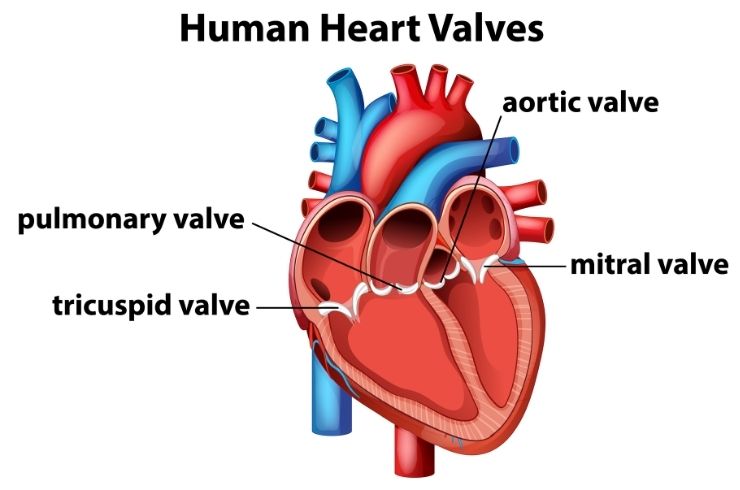
Structural Heart Programme for Advanced Cardiac Care in Amravati, Maharashtra
A Structural Heart Programme focuses on the evaluation and management of conditions affecting the heart’s valves, chambers and other structural components. It brings together advanced cardiac imaging, specialist assessment and multidisciplinary decision-making to determine the most appropriate treatment for each patient.
For patients seeking structural heart care in Amravati, Maharashtra, Dr. Niraj can help evaluate structural heart conditions and determine whether catheter-based treatment, surgical treatment, medical management or further specialist assessment may be appropriate.
What it is
Structural heart disease refers to abnormalities affecting the physical structure of the heart.
These conditions may involve:
- Heart valves
- Heart chambers
- Congenital structural abnormalities
- Other structural components of the cardiovascular system
A Structural Heart Programme brings together diagnostic evaluation, imaging, specialist consultation and treatment planning based on the patient’s individual condition.
Structural Heart Disease Overview
Structural heart conditions can vary considerably in their severity and clinical presentation.
They may affect how blood flows through the heart and can sometimes lead to symptoms such as breathlessness, fatigue, reduced exercise tolerance or swelling.
Evaluation focuses on understanding:
- The specific structural abnormality
- Severity of the condition
- Effect on heart function
- Symptoms and functional status
- Available treatment options
- Suitability for catheter-based or other interventions
Heart Team Approach
Complex structural heart conditions may require input from multiple specialists.
A Heart Team approach allows relevant specialists to review the patient’s clinical condition, imaging findings and treatment options together.
Multidisciplinary decision-making may help determine whether the most appropriate approach involves:
- Medical management
- Catheter-based intervention
- Surgical treatment
- Further diagnostic evaluation
- Referral or collaboration with another specialist
The treatment plan should be individualized according to the patient’s anatomy and overall health.
Advanced Echocardiography
Echocardiography plays an important role in evaluating structural heart disease.
Advanced echocardiographic assessment can provide information about:
- Heart valve structure
- Valve function
- Heart chamber size
- Heart muscle function
- Blood flow through the heart
- Structural abnormalities
The type and extent of imaging required depend on the suspected condition and clinical circumstances.
Catheter-Based Structural Therapies
Selected structural heart conditions may be suitable for catheter-based therapies.
These procedures use catheter-based techniques to treat certain structural abnormalities without requiring conventional open-heart surgery in appropriate patients.
The suitability of a catheter-based procedure depends on factors including:
- Type of structural heart disease
- Anatomy
- Severity
- Symptoms
- Heart function
- Overall health
- Procedural risk
Specific structural interventions should only be considered after appropriate specialist assessment.
Patient Selection
Not every patient with structural heart disease is suitable for catheter-based treatment.
Patient selection may consider:
- Age and overall health
- Symptoms
- Severity of structural disease
- Heart function
- Anatomical findings
- Echocardiography results
- Other medical conditions
- Previous cardiac procedures
- Surgical and procedural risk
- Expected benefit from treatment
A detailed evaluation helps determine the most appropriate treatment pathway.
Multidisciplinary Planning
Structural heart care may require coordinated planning between different areas of cardiovascular expertise.
Multidisciplinary planning can involve reviewing:
- Clinical history
- Physical examination
- Echocardiography
- Other cardiac imaging
- Heart function
- Anatomical suitability
- Procedural risks
- Available treatment options
The final plan is based on the patient’s individual needs and the expertise available for the particular condition.
Causes
Structural heart disease can have different causes depending on the specific condition.
Possible causes may include:
- Degenerative changes
- Congenital heart abnormalities
- Previous heart disease
- Changes affecting heart valves
- Other structural abnormalities
The underlying cause should be established through appropriate clinical assessment and cardiac imaging.
Risk Factors
Risk factors vary according to the specific structural heart condition.
They may include:
- Increasing age
- Previous cardiovascular disease
- High blood pressure
- Diabetes
- Other cardiovascular risk factors
- Previous cardiac procedures
- Congenital heart conditions
- Certain underlying medical conditions
Individual risk depends on the specific structural abnormality.
Symptoms
Symptoms can vary depending on the type and severity of structural heart disease.
Possible symptoms include:
- Breathlessness
- Fatigue
- Reduced exercise tolerance
- Chest discomfort
- Dizziness
- Fainting
- Palpitations
- Swelling of the legs or ankles
Some structural heart conditions may be identified before significant symptoms develop.
Red-Flag Symptoms
Seek immediate emergency medical attention if you experience:
- Severe or sudden breathlessness
- Severe chest pain
- Fainting
- Sudden severe weakness
- New confusion
- Rapid worsening of symptoms
- Chest discomfort associated with sweating or nausea
These symptoms may indicate an acute cardiovascular emergency.
Diagnosis
Assessment of structural heart disease may include:
- Medical history
- Physical examination
- ECG
- Blood tests where appropriate
- Echocardiography
- Advanced echocardiographic assessment
- Other cardiac imaging where clinically appropriate
- Coronary assessment when required
- Specialist Heart Team evaluation
The exact diagnostic approach depends on the suspected structural condition.
When Intervention May Be Required
Intervention may be considered when structural heart disease is significant and is causing symptoms, affecting heart function or creating an important risk to the patient’s health.
The decision may depend on:
- Severity of the structural abnormality
- Symptoms
- Heart function
- Anatomical suitability
- Procedural risk
- Expected treatment benefit
- Availability of appropriate treatment options
A Heart Team approach may be useful for complex cases.
Medical Treatment
Some structural heart conditions can be managed with medical treatment, either temporarily or as part of long-term care.
Depending on the patient’s condition, treatment may include:
- Medicines for symptom control
- Blood-pressure management
- Management of associated cardiovascular conditions
- Risk-factor modification
- Regular cardiac monitoring
Medical therapy does not replace structural intervention when a procedure is clinically required.
Treatment Alternatives
Depending on the structural heart condition, treatment options may include:
- Medical management
- Catheter-based structural intervention
- Surgical treatment
- Continued monitoring
- Further cardiac imaging
- Multidisciplinary Heart Team evaluation
- Referral or collaboration where appropriate
The most suitable approach depends on the patient’s anatomy, clinical condition and procedural risk.
Related Procedures
Related structural and cardiovascular procedures may include:
- TAVR / TAVI
- Mitral Valve Interventions
- Tricuspid Interventions
- Advanced Echocardiography
- Coronary Angiography
- Intravascular Imaging
- Complex PCI
- Paediatric Cardiac Intervention where applicable
Specific procedures depend on the structural condition being evaluated.
FAQs
What is a Structural Heart Programme?
A Structural Heart Programme provides coordinated evaluation and treatment planning for conditions affecting the valves, chambers and other structural components of the heart.
What conditions are treated through structural heart care?
Structural heart care can involve various valve and structural abnormalities. The appropriate treatment depends on the specific condition and its severity.
What is a Heart Team approach?
A Heart Team approach involves relevant cardiovascular specialists working together to assess the patient’s condition and determine an appropriate treatment strategy.
Why is echocardiography important in structural heart disease?
Echocardiography provides detailed information about heart valves, chambers, heart function and blood flow and is an important part of structural heart assessment.
Are catheter-based structural treatments suitable for everyone?
No. Patient selection depends on the specific condition, anatomy, severity, symptoms, heart function and procedural risk.
Can structural heart disease be treated without surgery?
Some structural heart conditions may be suitable for catheter-based treatment, while others may require surgery or medical management.
How is a patient selected for catheter-based treatment?
Selection may involve clinical assessment, echocardiography, other imaging, anatomical evaluation, overall health and assessment of procedural risks and expected benefits.
What happens during multidisciplinary planning?
Relevant specialists review the patient’s clinical information and imaging findings to determine the most appropriate treatment pathway.
When should I consult Dr. Niraj in Amravati?
Patients diagnosed with a structural heart condition, significant valve disease or those being evaluated for catheter-based structural treatment can consult Dr. Niraj for specialist assessment.
Book an Appointment with Dr. Niraj for Structural Heart Care in Amravati
If you have been diagnosed with structural heart disease or a heart valve condition, Dr. Niraj can evaluate your symptoms, cardiac imaging and overall condition to help determine an appropriate treatment pathway.