Coronary Artery Disease
Coronary Artery Disease Treatment and Advanced Cardiac Care in Amravati, Maharashtra
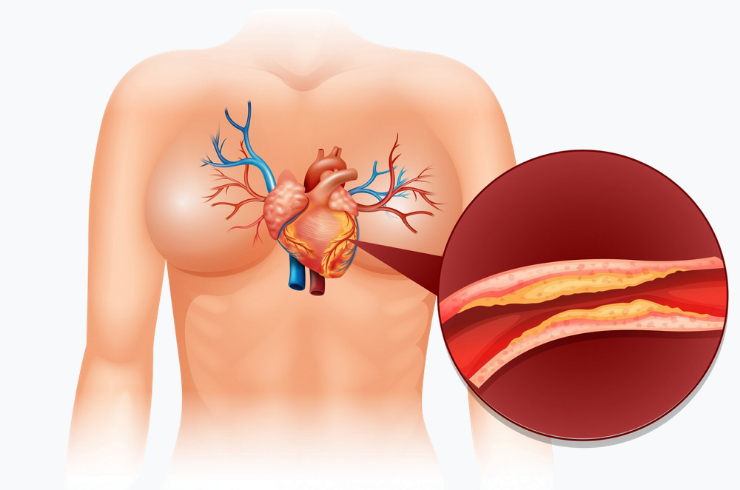
Coronary artery disease is one of the most common forms of heart disease, occurring when the coronary arteries become narrowed or blocked and the heart muscle receives insufficient blood supply. It commonly develops because of atherosclerosis, where fatty deposits and cholesterol accumulate inside artery walls.
The coronary artery disease spectrum includes stable angina, unstable angina, acute coronary syndrome, heart attack, STEMI, NSTEMI, silent coronary disease, multivessel disease, left main coronary disease, calcified coronary disease, chronic total occlusion, in-stent restenosis, and stent thrombosis.
For patients seeking coronary artery disease treatment in Amravati, Maharashtra, Dr. Niraj provides comprehensive cardiovascular evaluation and individualized treatment planning based on symptoms, risk factors, test results, coronary anatomy and overall health.
What it is
Coronary artery disease (CAD) develops when the arteries supplying blood to the heart become narrowed or blocked. Reduced blood flow can cause chest discomfort and breathlessness, while sudden blockage may result in acute coronary syndrome or a heart attack.
The coronary conditions covered within this disease spectrum include:
- Atherosclerosis
- Stable angina
- Unstable angina
- Acute coronary syndrome
- Heart attack
- STEMI
- NSTEMI
- Silent coronary disease
- Multivessel disease
- Left main coronary disease
- Calcified coronary disease
- Chronic total occlusion
- In-stent restenosis
- Stent thrombosis
Causes
The most common underlying cause is atherosclerosis, which occurs when cholesterol, fat and other substances accumulate within the walls of coronary arteries.
Over time, these deposits can form plaques that narrow the artery and restrict blood flow. If a plaque ruptures, a blood clot may form and suddenly reduce or completely block blood flow, potentially causing acute coronary syndrome or a heart attack.
Risk factors
Several factors can increase the risk of coronary artery disease:
- High blood pressure
- High LDL cholesterol
- Diabetes
- Smoking and tobacco use
- Obesity
- Physical inactivity
- Unhealthy dietary habits
- Increasing age
- Family history of cardiovascular disease
- Previous heart disease
- Chronic kidney disease
- Other metabolic risk factors
Controlling modifiable risk factors is an important part of preventing progression and reducing future cardiovascular complications.
Symptoms
Symptoms can differ depending on the severity and type of coronary artery disease.
Common symptoms may include:
- Chest pressure, tightness or discomfort
- Pain spreading to the arm, shoulder, back, neck or jaw
- Breathlessness
- Unusual tiredness
- Sweating
- Dizziness or light-headedness
- Reduced exercise tolerance
- Nausea
- Upper abdominal discomfort
Some patients may have silent coronary disease, where significant coronary artery disease occurs without typical symptoms.
Red-flag symptoms
Certain symptoms require immediate emergency medical attention, particularly when a heart attack or acute coronary syndrome is suspected.
Seek urgent medical care for:
- Severe or new chest pressure or pain
- Chest discomfort lasting several minutes
- Recurrent or worsening chest discomfort
- Chest pain occurring at rest
- Breathlessness with chest discomfort
- Sudden cold sweating
- Fainting or severe weakness
- Severe dizziness
- Pain spreading to the arm, back, neck or jaw
- Sudden worsening of previously stable angina
Do not wait for symptoms to settle on their own if a heart attack is suspected.
Diagnosis
Diagnosis begins with a detailed medical history, physical examination and cardiovascular risk assessment.
Depending on the patient’s symptoms and clinical situation, Dr. Niraj may recommend investigations such as:
- Electrocardiogram (ECG)
- Blood tests
- Cardiac biomarkers when acute coronary syndrome is suspected
- Echocardiography
- Coronary CT angiography
- Stress testing or functional cardiac imaging
- Coronary angiography
- Intravascular imaging
- Coronary physiology assessment
The choice of investigation depends on the patient’s symptoms, risk profile and suspected type of coronary disease.
When coronary angiography may be required
Coronary angiography provides detailed images of the coronary arteries and can help identify the location and severity of blockages.
It may be considered when there is:
- Suspected significant coronary artery disease
- Persistent or severe angina
- High-risk findings on non-invasive testing
- Suspected left main coronary disease
- Suspected extensive multivessel disease
- Acute coronary syndrome
- Heart attack
- Need for assessment before certain coronary interventions
In selected patients, angiography can also help determine whether an interventional procedure or another treatment strategy is appropriate.
Medical treatment
Not every coronary blockage requires an immediate procedure. Depending on the patient’s condition, medical treatment may include:
- Cholesterol-lowering medicines
- Antiplatelet medicines when clinically indicated
- Anti-anginal medicines
- Blood-pressure management
- Diabetes management
- Smoking cessation
- Weight management
- Heart-healthy dietary changes
- Appropriate physical activity
- Cardiac rehabilitation
Treatment is individualized according to the patient’s symptoms, coronary disease, risk factors and overall cardiovascular health.
When intervention may be required
A coronary intervention may be considered when significant coronary narrowing causes symptoms or presents substantial cardiovascular risk.
Intervention may also become necessary when urgent restoration of blood flow is required, particularly during certain acute coronary syndromes and heart attacks.
Depending on the coronary anatomy, treatment may involve percutaneous coronary intervention (PCI) using balloon angioplasty and stent placement.
Complex conditions such as:
- Left main coronary disease
- Multivessel coronary disease
- Calcified coronary lesions
- Chronic total occlusion
- Complex coronary blockages
may require advanced interventional assessment and specialized PCI techniques.
Treatment alternatives
Treatment is selected according to the patient’s individual condition. Possible approaches may include:
- Medical therapy
- Lifestyle and risk-factor management
- Cardiac rehabilitation
- Coronary CT angiography and other non-invasive assessment
- Percutaneous coronary intervention (PCI)
- Coronary artery bypass grafting (CABG)
The decision between medical management, PCI and bypass surgery depends on factors such as coronary anatomy, disease complexity, symptoms, heart function and associated medical conditions.
Related procedures
Related cardiac procedures and interventions include:
- Coronary Angiography
- Complex PCI
- CTO Angioplasty
- Left Main & Bifurcation PCI
- Rotablation
- Intravascular Lithotripsy (IVL)
- Intravascular Imaging
- Coronary Physiology
- Coronary Stent Placement
- Coronary Artery Bypass Grafting (CABG)
FAQs
What is coronary artery disease?
Coronary artery disease occurs when the arteries supplying blood to the heart become narrowed or blocked, usually because of atherosclerosis.
What causes coronary artery disease?
The main underlying cause is atherosclerosis. High cholesterol, diabetes, high blood pressure, smoking, obesity, inactivity and family history can increase the risk.
Can coronary artery disease occur without symptoms?
Yes. Some people can have silent coronary disease without experiencing typical chest pain or other obvious symptoms.
What is stable angina?
Stable angina is chest discomfort that typically follows a predictable pattern, often occurring during physical activity or emotional stress and improving with rest or prescribed treatment.
What is unstable angina?
Unstable angina involves new, worsening or unexpected chest discomfort and can occur with minimal activity or at rest. It requires prompt medical assessment.
What is the difference between STEMI and NSTEMI?
Both are types of heart attack. STEMI is generally associated with characteristic ST-segment elevation on an ECG, while NSTEMI does not show the same ECG pattern. Both require urgent medical assessment.
Does every coronary blockage require a stent?
No. Depending on the severity of disease, symptoms and overall risk, some patients may be appropriately managed with medication and lifestyle changes, while others may require PCI or bypass surgery.
When is coronary angiography required?
Coronary angiography may be recommended when significant coronary disease is suspected, symptoms are severe or persistent, high-risk findings are present, or an acute coronary syndrome or heart attack requires assessment.
Can complex coronary artery disease be treated with minimally invasive procedures?
Selected complex coronary conditions can be treated using catheter-based interventions. The appropriate approach depends on coronary anatomy, disease complexity and the patient’s overall health.
When should I consult Dr. Niraj in Amravati?
Patients with recurrent chest discomfort, unexplained breathlessness, reduced exercise tolerance, significant cardiovascular risk factors or abnormal cardiac test results may benefit from a detailed evaluation by Dr. Niraj in Amravati.
Book an Appointment with Dr. Niraj for Coronary Care in Amravati
If you have symptoms of coronary artery disease, a previous diagnosis of coronary blockage, abnormal cardiac test results or concerns about your cardiovascular health, Dr. Niraj can provide detailed evaluation and individualized treatment planning.